DEVOUR Feed And Grow How to Grow Fast
Turn every minute into size — without feeding yourself to the next predator on the server.
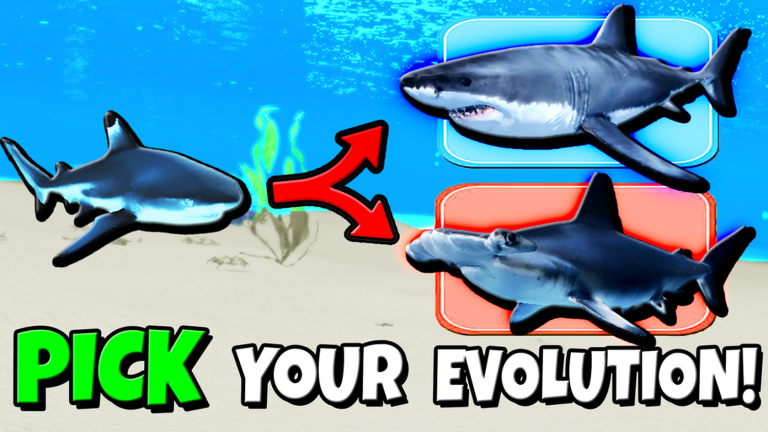
Growing fast is the skill that unlocks everything else in DEVOUR Feed And Grow. Size decides which prey is safe, which predator unlocks are realistic, whether open ocean chases are worth taking, and whether THE DEEP is an opportunity or a reset button. This guide focuses on efficient growth in the live Roblox multiplayer ocean — not reckless speed that ends in someone else’s highlight.
If you are brand new, skim How to Play / Getting Started and Controls first. When growth becomes reliable, continue into How to Unlock Predators, PvP Food Chain Tips, and How to Survive THE DEEP. Browse every tutorial from the Guides Hub.
The growth equation
Fast growth is not “eat everything.” It is a balance of four variables:
- Bite quality — targets you can finish quickly.
- Travel time — seconds spent swimming between meals.
- Contest risk — chance another player steals the kill or eats you.
- Recovery cost — how hard a death sets you back.
A slightly smaller but safer food lane often beats a richer contested lane. Deaths are the real growth tax in multiplayer.
Phase 1: Reef snowball
The reef is where fast runs are born.
Pick a lane, not a random wander. Find a short circuit with repeated low-risk food and clear exits. Repeat that circuit until your size noticeably changes how prey reacts.
Cut empty swimming. If you are crossing large empty gaps for one weak bite, your route is wrong. Compact loops beat scenic tours.
Leave the moment the lane saturates with bigger players. Crowded reef corners look busy and therefore “full of food,” but they are often full of predators waiting for growers. Rotate early.
Use structure as a timer. Reef terrain lets you break line of sight after a risky bite. Practice finishing a meal and immediately sliding behind cover before celebrating.
Phase 2: Open-ocean acceleration
Once reef prey feels too small or too contested, shift into the open ocean with intent.
Open ocean rewards players who can:
- commit to a chase they can finish,
- abandon a chase the moment a larger silhouette appears,
- convert one successful hunt into position for the next hunt instead of aimless circling.
Do not treat open ocean as “more reef with bigger water.” Distances are longer, so every failed pursuit costs more. Before you leave the reef, make sure your Controls feel clean enough to turn, bite, and disengage without fumbling.
A strong mid-game habit is the two-bite rule: after two successful open-ocean meals, reassess pressure. If multiple players are converging, cash your size advantage by returning toward a safer edge instead of greed-farming until someone arrives above you.
Phase 3: Growth that funds predator unlocks
Fast growth should aim at a predator goal, not infinite reef farming for its own sake. Read How to Unlock Predators and decide which shark or prehistoric rung you want next. Then grow until that unlock is usable — meaning you can hunt with it, not merely claim it while still panicking at every shadow.
Useful mindset:
- Grow to unlock.
- Unlock to grow faster or safer.
- Repeat until apex options are real.
If an unlock makes travel and hunting easier, taking it at the right size is itself a growth strategy.
Food priority checklist
Use this mental filter every time you spot a target:
- Can I finish this before a larger player arrives?
- Can I escape if I miss?
- Does this bite move me toward my next predator or zone goal?
- Am I ignoring a safer cluster nearby just because this one looks dramatic?
If answers 1 or 2 are weak, skip. Skipping is a growth skill.
Multiplayer growth tactics
Other players are both obstacles and meals. PvP Food Chain Tips covers fight craft; here is the growth-focused version:
- Third-party finished fights. Let two players contest, then decide whether the survivor is small enough to punish.
- Do not tunnel on player kills early. A failed PvP chase can wipe more progress than five quiet reef loops create.
- Take free player food only when the angle is clean. A distracted smaller player near cover can be excellent growth. A same-size duel in open water is often ego, not efficiency.
Zone timing for speed
| Goal | Better zone | Why |
|---|---|---|
| Stabilize first size | Reef | Short loops, clearer exits |
| Mid-size acceleration | Open ocean | Bigger hunts, longer snowball |
| High-risk spike | THE DEEP | Only after readiness — see deep guide |
THE DEEP can look like the fastest farm on the map. Sometimes it is. Often it is a trap for players who confuse “dangerous” with “efficient.” Before you dive for a growth spike, confirm the checklist in How to Survive THE DEEP.
Mistakes that destroy fast runs
Over-chasing. Every second behind an escaping target you cannot catch is a second you are not eating something else.
Edge camping forever. Safe edges are great for recovery, terrible as a permanent lifestyle once you need real size for predator unlocks.
Entering THE DEEP to “catch up” after falling behind. Catch-up deep dives are how bad sessions become worse. Rebuild in reef or open ocean first.
Ignoring your device comfort. Missed bites from bad camera control are silent growth leaks. Fix that in Controls before blaming the map.
A practical 15-minute growth plan
- Minutes 0–5: reef loop only, no hero plays.
- Minutes 5–10: expand the loop; take one contested bite only if escape is obvious.
- Minutes 10–15: open-ocean probe; bank two clean hunts or return to reef if pressure spikes.
- End of block: check predator unlock progress and decide whether the next block is unlock-focused or deep-prep focused.
Repeat the block. Consistency beats one lucky rampage.
Related guides
Cross-check these whenever your growth stalls:
- How to Play / Getting Started
- Controls
- How to Unlock Predators
- PvP Food Chain Tips
- How to Survive THE DEEP
- Guides Hub
Grow with a route, a predator goal, and a disengage rule. That is how DEVOUR snowballs turn into apex sessions instead of repeated resets.
Frequently Asked Questions
Quick answers to the most common questions.
What is the fastest way to grow in DEVOUR Feed And Grow?
Run tight reef food loops first, then move to open-ocean hunts you can finish cleanly. Avoid contested greed bites and do not use THE DEEP as an early catch-up plan.
Should I hunt players to grow faster?
Only when the angle is clean and the target is clearly smaller or distracted. Failed PvP chases often cost more growth than quiet feeding creates.
When should I leave the reef for open ocean?
Leave when reef prey feels too small or too crowded and you can commit to chases without losing control of escapes. If open ocean deaths spike, return and restabilize.
Is THE DEEP the best place to grow fast?
Not for most players. It can spike growth when you are ready, but under-sized deep dives usually reset progress. Read the deep survival guide before farming there.
How does fast growth connect to predator unlocks?
Use growth to fund the next usable predator rung. Unlocking a stronger form at the right size often makes the next growth phase easier and safer.