
DEVOUR Feed And Grow Overall Creature Tier List
Community rankings across early, mid, and late progression in Roblox DEVOUR.
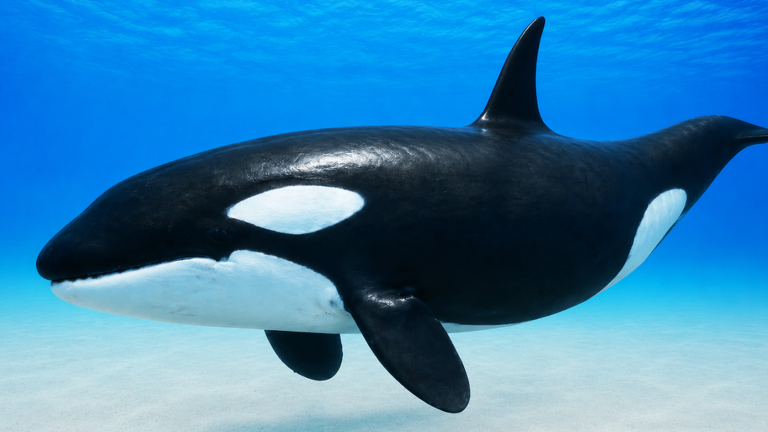
This page is the overall creature tier list for DEVOUR Feed And Grow, the Roblox eat-to-grow ocean survival experience also listed as DEVOUR Eat Fish & Ocean Animals. Rankings are community-style guidance for online multiplayer servers, not official Elasmonian Games balance sheets. Use them to plan unlock priorities while you eat smaller life, grow without a fixed size ceiling, and push toward predator unlocks.
If you only want early picks, jump to Best Starters. If you are already hunting in THE DEEP, go straight to Apex Predators. For playstyle notes beyond grades, browse the Creatures Hub.
Early game tiers (reef focus)
Early grades reward safety, readable prey, and forgiveness when larger players swing through the reef.
S tier — early
- Agile reef fish archetypes that weave through coral, snatch dense small prey, and escape before mid predators close distance
- Compact schooling hunters that grow quickly while still fitting in crowded safe pockets
A tier — early
- Sturdier coastal fish with reliable bites but less escape speed
- Transitional hunters that can bully small fish yet still die instantly to shark-class players
B tier — early
- Slow grazers that teach map reading but punish tunnel vision
- Flashy looking starters that feel strong until open-water pressure arrives
C tier — early
- Fragile novelty fish that look fun and die to everything once the server wakes up
- Overconfident almost-shark shapes that tempt you into open ocean too soon
Full starter breakdown lives on the Best Starters Tier List and the Starter Fish roster page.
Mid game tiers (open ocean)
Mid game is where shark-class predators and larger hunters decide lane control. Growth still matters, but positioning and disengage timing matter more.
S tier — mid
- Balanced sharks that can farm schools, contest players of similar size, and leave before apex threats arrive
- High-mobility hunters that patrol open ocean without burning stamina on hopeless chases
A tier — mid
- Power sharks with heavy bites and average turning
- Ambush specialists that thrive near reef edges and drop-offs
B tier — mid
- Glass-cannon pursuers that win clean fights and lose messy ones
- Bulky mid predators that intimidate small fish but struggle against coordinated PvP
C tier — mid
- Reef-locked holdovers still played too long after the server has moved to open water
- Showpiece predators that look threatening but lose too many contested bites
See Sharks and Predators for role notes that explain why an A-tier shark can still beat an S-tier shark with better angle control.
Late game tiers (THE DEEP and apex)
Late grades assume you can reach THE DEEP and survive long enough to contest apex prey and players. These rankings overlap with the dedicated Apex Predators Tier List.
S tier — late
- Megalodon-class apex sharks with unmatched open deep pressure when played patiently
- Mosasaurus-class prehistoric hunters that punish linear swims and control vertical space
- Bloop-class deep anomalies when the map supports their ambush lanes and the server is dense enough to feed them
A tier — late
- Orca-style pack-capable apex hunters that excel when teammates or opportunistic follow-ups appear
- Versatile deep sharks that are slightly less dominant than true apex but safer to learn
B tier — late
- Specialist deep predators that dominate one trench style and feel awkward elsewhere
- Status apex picks that look elite but require cleaner positioning than most players bring
C tier — late
- Forced deep entries on mid bodies — not a creature failure so much as a stage mismatch
- Apex attempts with no escape plan that convert every fight into a double knockout
How to use the full list in a real session
- Start in reef S/A starters until your first comfortable predator unlock path is clear.
- Transition mid sharks only when you can leave coral cover without panic.
- Treat THE DEEP as a decision, not a destination — check the Zone Risk Guide before committing.
- Re-rank personally after each death: was the creature underpowered, or did you ignore stage rules?
Common ranking mistakes
- Judging reef fish by deep PvP damage numbers
- Calling every large silhouette S-tier because it looks scary
- Ignoring population: empty servers inflate apex grades; packed servers reward mobility and disengage
- Copying a tier screenshot from another eat-to-grow game without checking Roblox DEVOUR zones
Cross-links inside this category
- Return to the Tier List Hub for criteria and reading order
- Compare early picks on Best Starters
- Compare endgame picks on Apex Predators
Pair this list with How to Grow Fast and How to Unlock Predators when you want the route behind the grade. Community tiers exist to shorten decisions, not to replace ocean awareness.
Frequently Asked Questions
Quick answers to the most common questions.
Is megalodon always S-tier?
In late-game deep contests, megalodon-class apex usually sits in S-tier, but greed, bad angles, and crowded servers can still erase a careless player.
Why are some large creatures only A or B?
Size intimidates, yet mobility, unlock timing, and zone fit matter more. A bulky hunter that cannot disengage drops a grade.
Do tiers include non-player wildlife?
This list focuses on playable progression archetypes you unlock and grow into. Wildlife still matters as food and hazard context.
Where should beginners start in this list?
Read the early-game section, then open Best Starters. Do not skip straight to late-game S-tier names.
Are these grades patch-proof?
No. They are community-style rankings for the current Roblox experience and should be revisited after creature or zone updates.